

Choosing between a jaw crusher and a cone crusher is one of the most common questions we receive from aggregate plant owners. Both machines are primary and secondary crushing workhorses, but they are designed for completely different jobs. Selecting the wrong one wastes money on operation cost and produces the wrong product size.
In this guide, we break down the key differences - working principle, feed size, output shape, capacity, and cost - so you can match the right crusher to your project.
1. Working Principle: Squeeze vs Squeeze-and-Grind
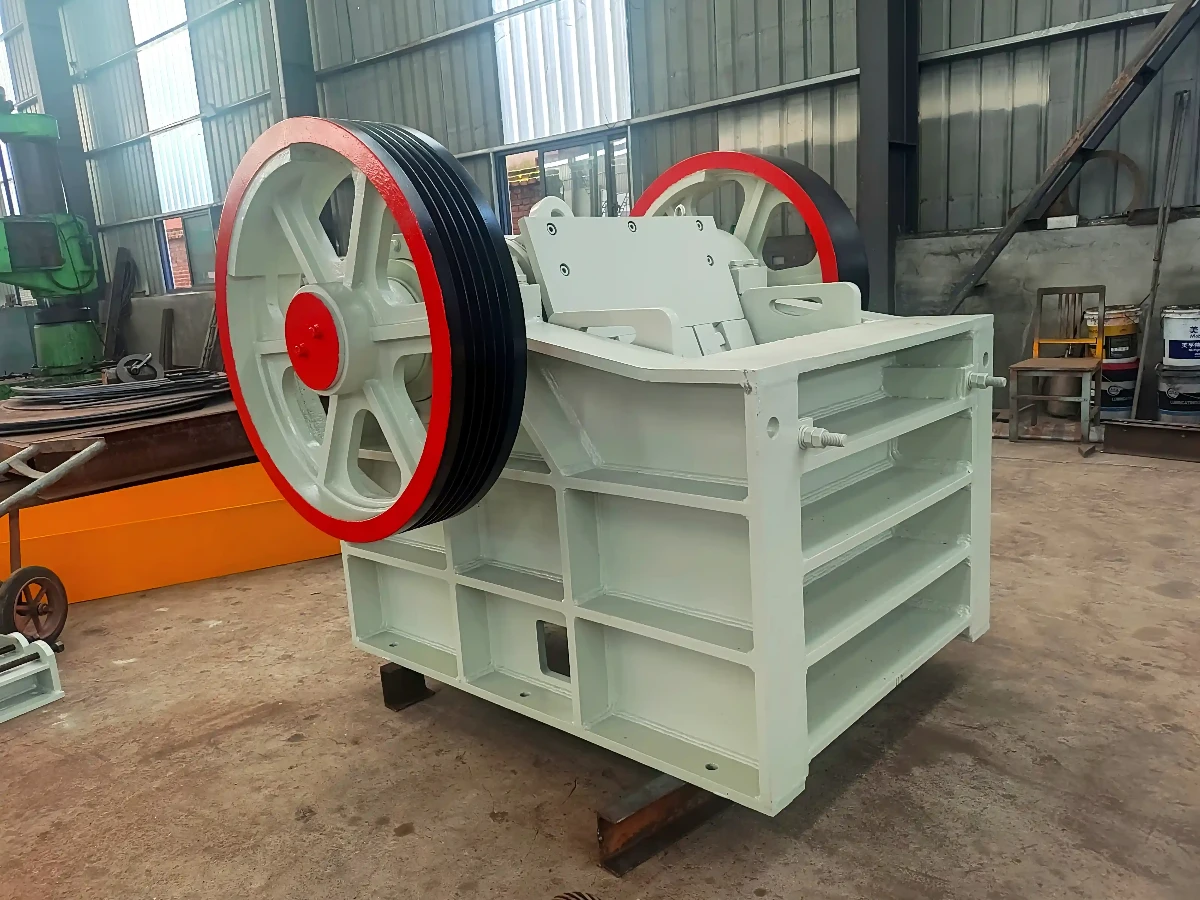
A jaw crusher uses two vertical plates - one fixed, one moving - to compress rock between them. Material is crushed when the movable jaw presses it against the fixed jaw. It works purely by compression, which makes it ideal for the hardest, most abrasive rocks.
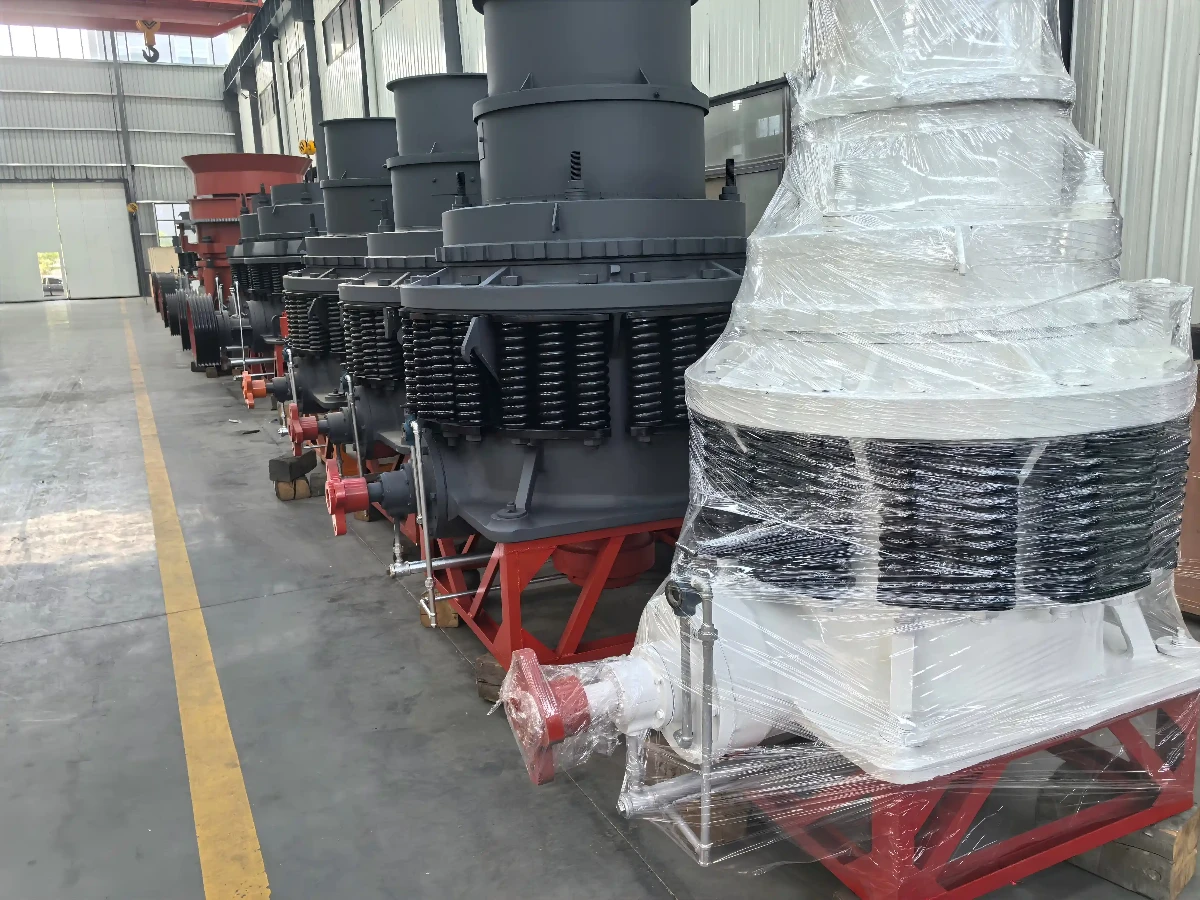
A cone crusher also uses compression, but with a different mechanism. Rock is squeezed between a rotating mantle and a fixed concave bowl. The crushing chamber narrows from top to bottom, so material is crushed and re-crushed as it moves downward through multiple zones.
In short: jaw crushers crush in one pass with a simple up-and-down motion; cone crushers crush continuously in a rotating, multi-stage chamber.
2. Feed Size: The Biggest Difference
This is usually the deciding factor.
Jaw crusher - accepts very large feed, typically up to 1,000–1,200 mm for primary crushing. It is the machine that takes blasted quarry rock straight from the pit.
Cone crusher - requires pre-crushed feed, normally below 200–300 mm. A cone crusher cannot accept run-of-mine rock; it must be fed by a primary crusher or a feeder with controlled size.
Rule of thumb: if your material comes from blasting and exceeds 400 mm, you need a jaw crusher (or another primary crusher) first. A cone crusher is rarely a primary machine.
3. Output Shape and Particle Quality
Jaw crusher produces a more elongated, flaky product with higher content of flat particles. It is acceptable for road base and general aggregates, but not ideal for high-quality concrete or asphalt aggregate.
Cone crusher produces a more cubic, well-graded product. The multi-layer crushing action rounds off particles, giving better shape. For concrete aggregate and asphalt specifications, a cone crusher (often combined with a VSI) is the preferred choice.
If your client's specification requires low flakiness index, plan a secondary/tertiary cone stage rather than relying on a jaw crusher alone.
4. Capacity and Cost
Initial cost: jaw crushers are generally lower in capital cost per ton of capacity at the primary stage.
Operating cost: cone crushers consume more power per ton in many configurations, but they produce finer, better-shaped product, which can reduce downstream processing cost.
Wear parts: jaw plates are relatively simple and cheap to replace. Cone liners (mantle and concave) wear faster on abrasive feeds but are manageable with regular inspection.
For a typical 200–300 t/h aggregate plant, a common setup is: jaw crusher (primary) + cone crusher (secondary) - this combination balances cost, capacity, and product quality.
5. Common Applications
| Crusher | Best For | Example |
| Jaw Crusher | Primary crushing of hard rock, large feed | Blasted granite, basalt, river pebble, ore |
| Cone Crusher | Secondary/tertiary crushing, cubic product | Aggregate for concrete/asphalt, fine ore |
Both are essential in most hard-rock aggregate plants. They are complementary, not competing - most plants run both.
6. How to Select: 4 Quick Questions
What is your max feed size? Over 400 mm → jaw crusher as primary.
What product do you need? Concrete/asphalt aggregate → add a cone stage.
What capacity? Match the crusher model to your target t/h, not the biggest available.
What is your budget? Start with a well-matched jaw+cone line; don't oversize.
Still unsure? Send us your material test, feed size, and target output, and our engineers will recommend a complete crushing line - check our jaw crusher models and cone crusher models, or contact us for a free selection consultation.
Besides rock and aggregate crushing, our crushers are also widely applied in waste material recycling. You can read our guide about Can Crushing Equipment Be Used For Glass Recycling? to learn more.
7. Final Verdict
Choose a jaw crusher when you need primary crushing of large, hard rock.
Choose a cone crusher when you need secondary/tertiary crushing with cubic output.
Choose both for a complete, efficient aggregate plant - this is what most successful plants do.
If you are planning a new crushing plant or upgrading an existing line, our team can help you design the layout, select the equipment, and optimize your cost. Request a quotation today.